A group from Moncton drives to vote in the Brazilian general elections
Brazilian-Canadians travelled to the polls in Montreal, where the Brazilian embassy is located, to vote in the Brazilian 2026 general elections, which was a tight race between incumbent Luiz Inácio Lula da Silva (Lula) and Flavio Bolsonaro. Lula, leader of the center-left Workers’ Party, won against Flavio Bolsonaro, the leader of the far-right Liberal Party, and son of former president Jair Bolsonaro, on Oct. 25.
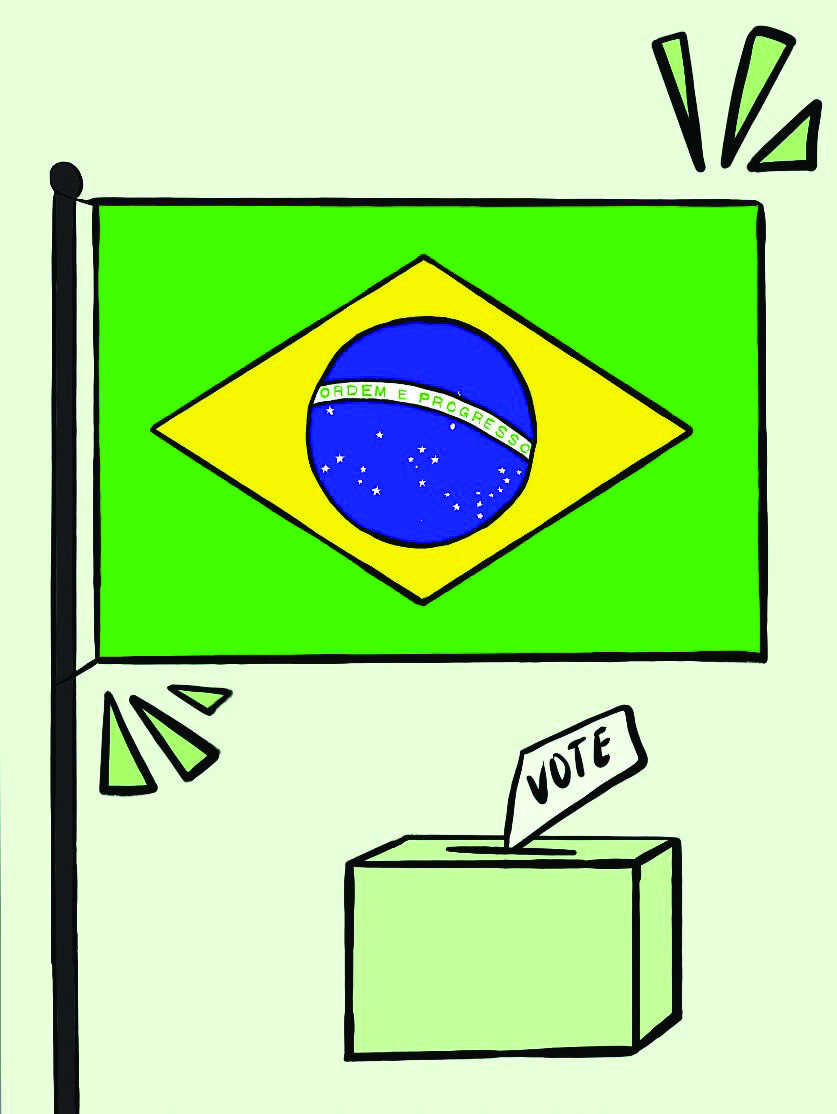
In an interview with The Argosy, technical support specialist Pedro Da Fonte said he drove to Montreal with his wife, daughter, and two friends to be able to vote. “We were concerned about the possibility of a government we viewed as fascist coming to power. We felt it was important to make the trip and cast our votes to help protect democracy and the rights of all Brazilians,” Da Fonte said. When asked about the outcome of the election, Da Fonte stated, “I was very pleased with the outcome because the candidate we supported won.”
Jair Bolsonaro’s presidency was founded in right-wing populism with the slogan of “Brazil above everything, God above everyone” for both his 2018 and 2022 campaigns. According to the BBC is currently serving 27 years under house arrest after being convicted of “armed criminal conspiracy, attempted abolition of the democratic rule of law, attempted coup d’état, violent destruction of public property, and damage to protected national heritage sites” by the Brazilian Supreme Federal Court.
Edgar Franco-Vivanco, assistant professor of political science at the University of Michigan, stated in a blog post on the Center for Political Studies that “Lula’s campaign expanded its digital outreach and intensified its efforts to bring voters to the polls.” He argued labor unions and college campuses were dominated by the left, whereas the right dominated in the church, suggesting that the internet remains “open to political competition, even where the right has built a strong presence.”
There was a large student movement online and in the streets with over one million people rallying on the election including many tens of thousands of students, all under the “Lula’s Army” movement. According to Franco-Vivanco, “these numbers reveal an electorate more open to mobilization than the first-round result suggested.” while referring to the voter turnout for the second round of the election, increasing by three million people, this included Da Fonte and many others who voted internationally. According to Franco-Vivanco, this was one of the main factors in overturning the results between the first and second rounds of the election, allowing Lula to win the vote by 4.4 million votes compared to having lost by 2.2 million in the first round.
Lula’s record-breaking fourth term goes against the global trend toward right-wing populous governments. According to the European Policy Information Centre (EPICenter), 32 per cent of European voters “now back a populist, authoritarian or extremist party.” Flavio Bolsonaro and the Liberal Party continue to be the largest party in the Chamber of Deputies, forcing Lula’s presidency into negotiations to be able to pass policies. Moreover, Flavio Bolsonaro has not conceded the election and said in a press statement after the release of the results that they will request the annulment of the results. Flavio Bolsonaro is currently in Miami. A Supreme Court judge requested he turn in his passports, and he is under investigation for corruption for money laundering and tax evasion. With the polarization of the world growing, Da Fonta says, “I hope the government continues to support minority communities and protect their rights. I also hope Brazilians can come together and work toward what is best for the country.”