Madness is an emotion every individual is free to express
After what limit does anger turn into madness, and who gets to decide when? For Mt.A student and artist Emma Neilson, the answer to this question is deeply embedded in concepts that relate to gender, power, and the characters audiences have come to categorize as villains. Emma Is Allowed To Go Mad is the first student exhibition presented at START Gallery for this term. START is the student exhibition space within Struts Gallery at 7 Lorne St, and it held the exhibition from Nov. 3 to 15.
The exhibition explores the gendered portrayal of madness in popular culture. Neilson questions why madness, anger, and expressions of power are so often associated with masculinity through photography, film references, and the use of traditional masculine characters.
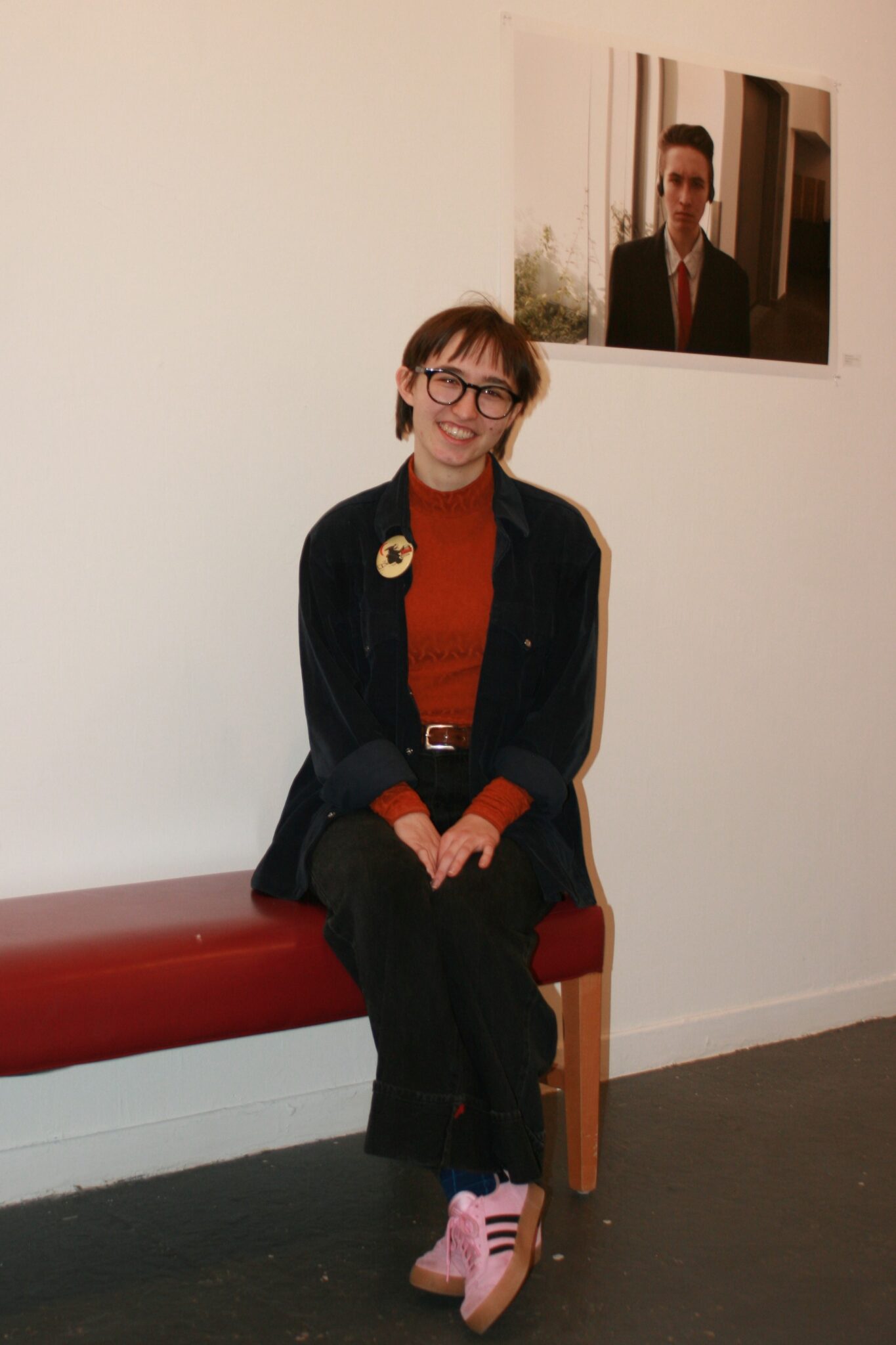
The exhibition was a result of Neilson’s academic interests in the field of screen studies and colour film photography. The project was initially developed through coursework last semester, and it examined madness in film and television with a photographic exploration of characters and visual conventions. The photographs were of Emma themselves, dressed as different villains from different media, portraying the theme of gender expression and stereotypes, which were set in a way to break the extreme opinions.
“I was really interested in this idea of the mad characters as being evil and irredeemable, or if they were women, they were redeemable because we considered them to be women,” Neilson said in an interview with The Argosy. They described how masculinity plays a pivotal role in deciding the importance of certain characters or people in the media, being inconsiderate towards women taking up space as major characters too.
Neilson combined their screen studies and third year colour film photography projects before applying for and receiving approval to showcase their exhibition at START Gallery.
Instead of just producing images that would depict madness, Neilson reinterprets it by inhabiting characters traditionally understood as masculine figures of power. The result is diving into the effects of those roles being held by individuals whose bodies do not align with traditional notions of masculinity.
The title itself has several layers of meaning to it. Neilson explained that it portrays an interest in villainy, 2SLGBTQIA+ spectatorship, and the connection to familiar fictional characters. There is, however, another meaning hidden in the title: the difference between going mad and getting mad.
Neilson recalled an experience from fifth or sixth grade when they were sent to the principal’s office for raising their voice. Looking back, they connect the incident to the expectations placed on young female students and how society reacts to their expression of emotion.
For Neilson, talking against these expectations is not limited to the exhibition’s subject matter. It is also reflected in the way the work approaches political expression. They are particularly interested in using humour to question established ideas about gender and behaviour.
“I’m really interested in doing it through humour,” Neilson said. “To me, this sort of thing is a political activity, and film and TV is political.”
Their work treats engagement with popular culture as an opportunity to examine the ideas and power structures embedded in the stories audiences consume.
Neilson talked about what piece of advice they would like to give to students who wish to showcase their work at the gallery too. They emphasized the importance of approaching an exhibition as a cohesive body of work rather than simply displaying a collection of unrelated projects.
“I was really looking at my exhibition as a body of work itself,” Neilson said, highlighting the importance of having a clear and unified theme.
Among their favourite elements are the photographs inspired by the character of Nosferatu, as well as a photo grid created specifically for the exhibition. The books included in the installation also hold personal significance for them. Neilson explained that they represent the physical objects they kept in their bedroom while learning about film history.
“I think overall, I’ve just gotten really awesome feedback from people that I’ve looked up to in the community for like a really long time,” Neilson said. “It’s just an awesome community event for me because I’m from Sackville, and I am excited to have my family and teachers here for the show.”
For Neilson, Emma Is Allowed To Go Mad represents more than just an exploration of fictional antagonists or film depictions of madness. By assuming roles typically associated with masculine figures, Neilson poses a question that transcends the gallery space: what could it mean to grant everyone the liberty to be complex, furious, strong, and, at times, slightly unhinged?