Treasurer Michael Beal and Councillor Barry Hicks on what the lower rates mean for residents
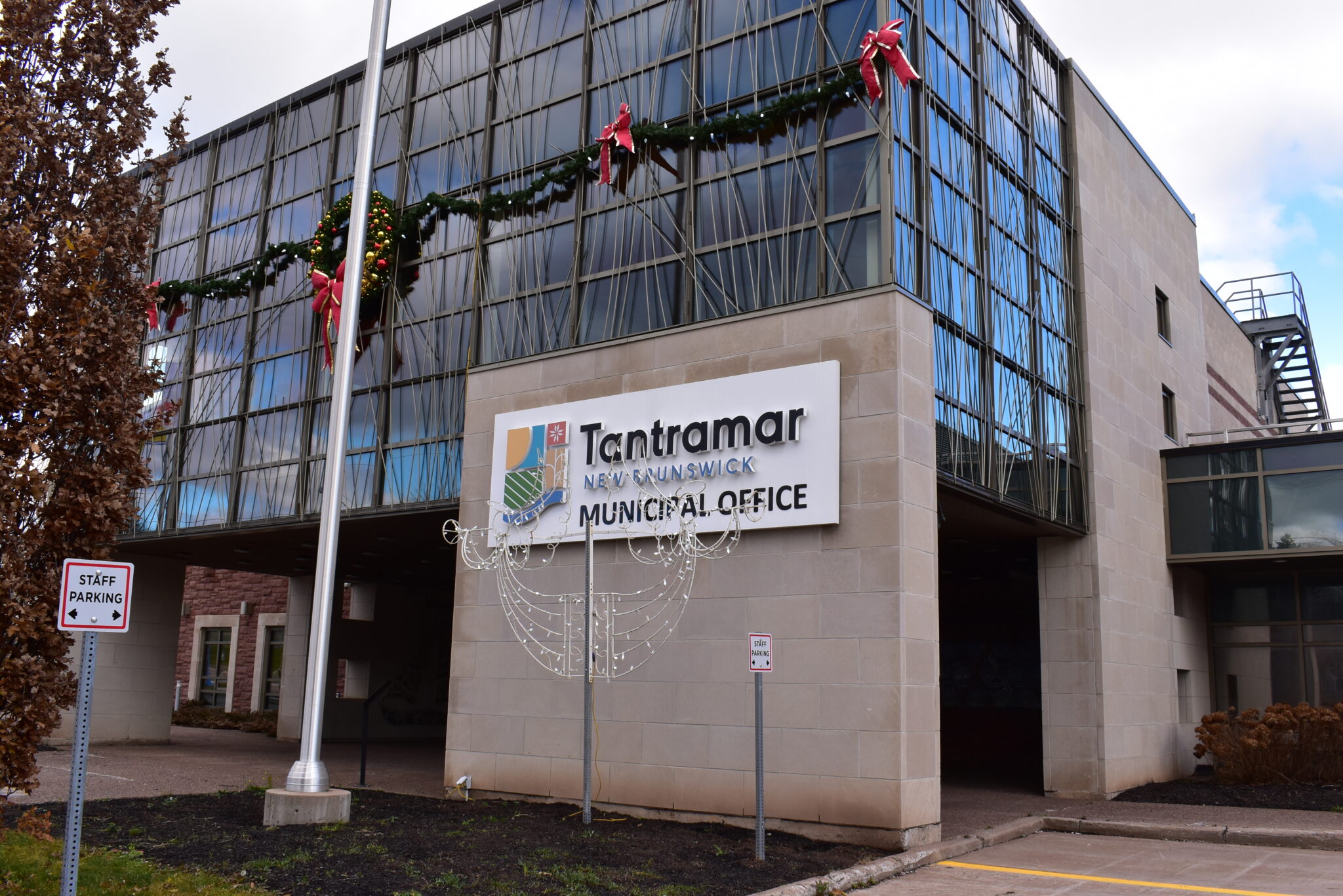
Tantramar council voted eight to one on Nov. 10 to lower residential property tax rates for 2027 in Sackville, Dorchester, and the surrounding areas. The rate in Sackville and Dorchester will fall from $1.5350 per $100 of assessed value to $1.4693.
For a Sackville home assessed at $300,000, this change means residents will pay a 2027 tax bill of $4,407.90, as opposed to $4,605, treasurer Michael Beal said in an email to The Argosy. This will save Sackville residents $197.10 in taxes. However, a lower rate does not guarantee a lower bill. “The property likely would also increase in value, so they may still pay more tax in 2027 than they did in 2026 even with the reduction in rate,” Beal said.
The province sets assessments and limits increases at 10 per cent a year, Beal explained. Some properties may rise by that amount, while others may see no change or a decrease. ”Every property is different,” Beal said.
Councillor Barry Hicks, who represents Ward 2, said he supports the lower rates. “If the province is making an effort to provide some tax relief, I believe the municipality should be willing to do its part as well,” Hicks wrote in an emailed statement to The Argosy.
The lower rates come from a new provincial policy called the stabilizer rate, which sets how much municipal revenue can grow. “New Brunswick Municipalities need growth of 4.7% to meet current inflation. So essentially any growth in tax base above 4.7% should go towards a tax reduction,” Beal wrote.
The lower rates also mean the municipality will take in less money. Before the vote, council staff had presented an option that would have raised rates in two rural districts by five cents, and would have brought in $140,655 more. Instead, the council will set aside less money for two things: the capital reserve and the council initiatives budget. The capital reserve is savings for high future costs such as equipment and repairs, and its yearly transfer drops by $110,000. The council initiatives budget, which pays for projects the council chooses to take on, drops by $30,655. No current services will be cut, Beal wrote, but less money will be set aside for future projects.
Councillor Tori Weldon cast the only vote against. Her objection centered on how the rural areas around Sackville and Dorchester are taxed. Before the 2023 merger, Sackville was a town, Dorchester was considered a village, and the countryside around Sackville, Dorchester, and Point de Bute was divided into three local service districts. All five areas were joined into one municipality, Tantramar, but each still had its own tax rate. The province said the three rural areas should eventually pay 90 per cent of what the town of Sackville and the village of Dorchester pay for shared services such as policing and fire protection.
The council staff’s option would have raised the rural Sackville and Dorchester rates by five-cents per $100 of assessed value, which would have moved them closer to that level. However, Weldon preferred a third option that would have lowered rates in the town of Sackville, the village of Dorchester and the rural area around Point de Bute but left rates in the rural areas around Sackville and Dorchester districts unchanged. Weldon later explained that she thought freezing those rates was fair and would mean much less lost revenue, according to the Warktimes.
Hicks wrote that residents in Ward 2, in the rural area around Sackville, have consistently told him that they are unhappy with the municipal portion of their taxes. They also pay $0.4115 per $100 to the province, mainly for road maintenance and snow clearing. “The message I keep hearing from Ward 2 residents is simple: Why are we paying more every year when we aren’t seeing any improvement in the services we received?” Hicks wrote.
Hicks said he is not overly concerned that the smaller reserve contribution could lead to larger increases later. “In my view, the answer isn’t always to collect more taxes. We should be working harder to grow our tax base so we can maintain and/or improve our services, build our reserves, and keep taxes affordable for everyone,” Hicks wrote.