The UNGA vote encourages the use of the Equal Earth Projection over the outdated Mercator Projection
On Sept. 4, the United Nations General Assembly (UNGA) voted overwhelmingly to use the Equal Earth Projection, rather than the Mercator Projection, to display landmass sizes more accurately. The resolution to change the standard projection, called “Correct the map,” was brought forward by the Togolese Republic. The resolution passed with a vote of 163 to one, with the sole opposing vote being the United States. The vote was meant to encourage institutions around the world to replace any displays of global maps with the Equal Earth Projection, but it does not outlaw the use of the older Mercator Projection.
UN News said that the Togolese Republic brought forward the resolution because of how the Mercator Projection displayed Africa. Canadian Geographic described that, because it is situated on the equator, the Mercator Projection makes the African continent appear to be roughly the same size as Greenland, although in reality Africa is around 14 times larger. Robert Dussey, the Togolese minister who brought the resolution forward, said in a UN TV media statement that changing the projection does not just change our maps; it contributes to “correcting a perception.”
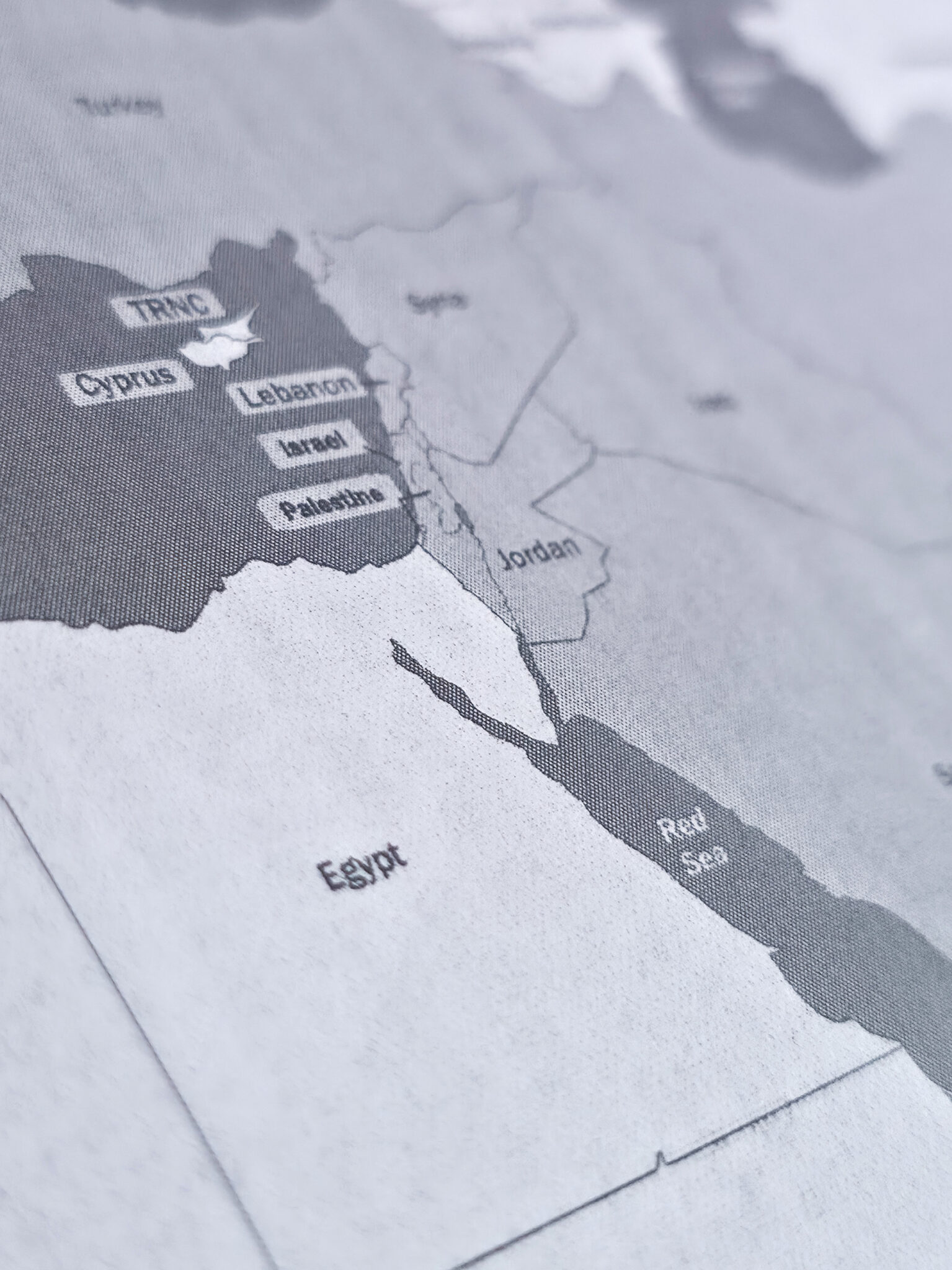
In 1569, Gerardus Mercator, a Flemish cartographer, designed the Mercator Projection. Since its creation, the Mercator Projection has been the most widely used and recognized map projection worldwide. Cartographers Bojan Šavrič, Bernhard Jenny, and Tom Patterson created the Equal Earth Projection in 2018 to fix an important issue seen in the Mercator Projection. The problem was that the Mercator Projection distorted the true size of landmasses, inflating the size of countries like Greenland that are closer to the poles, and shrinking those closer to the equator.
In an article about the decolonization of the world map, the Geneva International Centre for Justice said, “[the Mercator] projection showcases how colonial narratives continue to influence Western views of Africa by reinforcing outdated and reductive perspectives that reduce the size of the continent.” The Mercator Projection shrinks the size of most countries in the Global South while inflating the size of Western nations. The Equal Earth projection represents all countries accurately in proportion to the surface area they cover on our planet.
The Mercator Projection serves an outdated purpose: its main use was to make getting compass bearing easier for sailors. Now that navigating the world with a printed map is much less popular, the Equal Earth Projection provides an accurate view of countries in proportion to each other. While it is intended to be a better resource for the modern map user, it is not flawless. It is impossible to display the Earth’s three-dimensional image onto a two-dimensional map without distorting it in some way.
The Mercator Projection sacrificed accurate sizing for accurate shapes and ease of use for sailors, while the Equal Earth projection sacrificed accurate shapes for accurate sizing. In an interview with the Guardian, Bernhard Jenny, one of the cartographers who created the Equal Earth Projection, said “a map is never neutral, so you cannot please everyone.” While that is the case, as seen with the United States’ opposing vote, the Equal Earth Projection aims to benefit the greatest number of people as possible.
Bojan Šavrič, the mathematician behind the Equal Earth Projection, believes that all of the debate surrounding map projections is an important learning opportunity. In an interview with the Guardian, Šavrič said, “this creates a valuable opportunity to strengthen map literacy and raise awareness that there is no single map projection capable of providing a completely ‘true’ representation of the world.” Šavrič highlighted the importance that the Mercator Projection was not banned and that the Equal Earth Projection was not made a “single replacement for all maps.” All maps serve some purpose, and it is important to know what you are looking at and to know what projection is the best for every situation.
While 163 countries voted in favour of the resolution, deputy U.S. representative to the UN Economic and Social Council, Yaryna Ferencevych, said that the resolution was part of a ”much larger and more radical ideological project,” and that the UN should focus on “genuine problems.” Ferencevych said that the resolution “mocks the work and purpose of this institution,” adding further, “When the United Nations questions why it is losing legitimacy in the world, and is not taken seriously, time and again, we point to resolutions such as this.”